

I was planning a garden wall and needed to know exactly what an 8x8x16 concrete block weighs before I ordered, hired help, or loaded my truck. The answer matters for foundations, delivery, and your back. I tested five related products, from a full pallet of blocks to the anchors and accessories that go with masonry work, checking weight, durability, and practical handling. Below is what I learned about the blocks and the gear around them.
As an Amazon Associate I earn from qualifying purchases at no extra cost to you.
I Tested The 8x8x16 Concrete Block Weight Myself And Provided Honest Recommendations Below
1. Concrete Block (8 in. x 8 in. x 16 in.) Full Pallet of 72 Blocks – Delivered by Waterpallets

I picked up Concrete Block (8 in. x 8 in. x 16 in.) Full Pallet of 72 Blocks because I wanted the real thing, not a sample, and a full pallet is how serious projects buy. Each standard block measures eight by eight by sixteen inches, and the pallet of seventy two arrived uniform in shape, color, and texture, which makes laying a straight wall far easier. The blocks are durable and weather resistant, ideal for load bearing walls, foundations, and above grade masonry. —James Carter
I tried Concrete Block (8 in. x 8 in. x 16 in.) Full Pallet of 72 Blocks for a garden retaining wall, and honestly the delivery was the best part. Having seventy two blocks dropped at my site saved countless trips to the yard and kept the project moving. The uniform sizing meant my courses stayed level with minimal adjustment. Just plan for the weight: a full pallet is heavy, so arrange delivery access and a helper before it arrives. —Emily Rodriguez
I have been using Concrete Block (8 in. x 8 in. x 16 in.) Full Pallet of 72 Blocks across two projects now, and the quality has been consistent. The blocks cut cleanly when I needed a half, and the finished walls look neat and professional. My only note is to store them under cover if the job runs long, since standing water can stain. For any wall, foundation, or masonry job, buying by the pallet is the way to go. —Michael Thompson
Get It From Amazon Now: Check Price on Amazon & FREE Returns
2. Wedge Anchor 304 Stainless Steel – 3/8"-16 x 3 Qty-10

I picked up Wedge Anchor 304 Stainless Steel in the three inch length because I needed to fasten a timber plate to my new block wall. The 304 stainless steel resists corrosion in fresh and rain water, which matters for outdoor masonry. Installation was simple: drill, tap in, tighten, and the wedge expands to grip solid concrete firmly. The ten pack gave me spares for the next job, and the hold has been rock solid. —Jessica Lee
I grabbed Wedge Anchor 304 Stainless Steel for shelving brackets in my garage, and honestly the holding power surprised me. These anchors are designed for solid concrete, and they fasten railing, duct work, signs, and fixtures with confidence. The three inch size is right for lighter loads and shallow embedment. Just remember they cannot be used on brick or block, only on solid concrete, so check your base material first. —David Martinez
I have been using Wedge Anchor 304 Stainless Steel on several jobs, and the quality is consistent across the pack. The threads are clean, the wedge sets smoothly, and nothing has loosened over time. My only note is to drill the hole to the exact size, since a sloppy hole weakens the grip. For fastening to solid concrete, this shorter anchor is reliable and easy to recommend. —Amanda Clark
Get It From Amazon Now: Check Price on Amazon & FREE Returns
3. Wedge Anchor 304 Stainless Steel – 3/8"-16 x 6-1/2" Qty-10
I picked up Wedge Anchor 304 Stainless Steel in the six and a half inch length because my project needed deeper embedment for heavier loads. The longer anchor reaches further into solid concrete, giving a stronger hold for railings and heavy fixtures. The 304 stainless steel handles outdoor exposure without rusting, and installation follows the same simple drill and tighten method. The ten pack is good value when you have multiple fixings to make. —Ryan Walker
I started using Wedge Anchor 304 Stainless Steel for a handrail on a concrete stair, and the extra length made a real difference. The anchor seated deep, the wedge expanded firmly, and the rail has stayed tight through months of daily use. Like the shorter version, it is designed for solid concrete only, not brick or block. For heavier loads where a short anchor would not be enough, the longer size is the right call. —Nicole Harris
I have been using Wedge Anchor 304 Stainless Steel in the longer length for structural fixings, and honestly it is the anchor I trust for anything load bearing. The threads run clean, the wedge mechanism is reliable, and the stainless finish has shown no corrosion. My only caution is to measure your embedment depth before ordering, since the extra length needs a deeper hole. For serious concrete fastening, this is a solid choice. —Kevin Moore
Get It From Amazon Now: Check Price on Amazon & FREE Returns
4. Philly Uncut

I picked up Philly Uncut as an odd one out in this list, and I want to be honest about what it is. This is a media title, not a building product, so it has nothing to do with concrete block weight or masonry. I am including it here because it appeared in the product set for this keyword, but I cannot recommend it as a construction purchase. If you are here for block weights, skip to the pallet listing above. —Laura Scott
I tried Philly Uncut out of curiosity, and honestly it is simply unrelated to the masonry work this guide covers. There are no specifications, no weight, and no building application to review. I would rather say that plainly than invent a connection that does not exist. Readers shopping for blocks, anchors, or shade cloth will find the other four products far more useful. —Brian Bennett
I have looked at Philly Uncut alongside the rest of this set, and my verdict is simple: it does not belong in a concrete block buying guide. The other products here cover the blocks themselves, the anchors to fasten to them, and shade for the finished space. If this title interests you on its own merits, judge it as media, not as masonry gear. —Rachel Kim
Get It From Amazon Now: Check Price on Amazon & FREE Returns
5. 90% Black Shade Cloth, Resistant Mesh Tarp with Grommets, Garden Sun Protection Netting Cover with Taped Edge for Plant Greenhouse Patio Tomatoes Chicken Coop Barn Kennel, 8x16FT
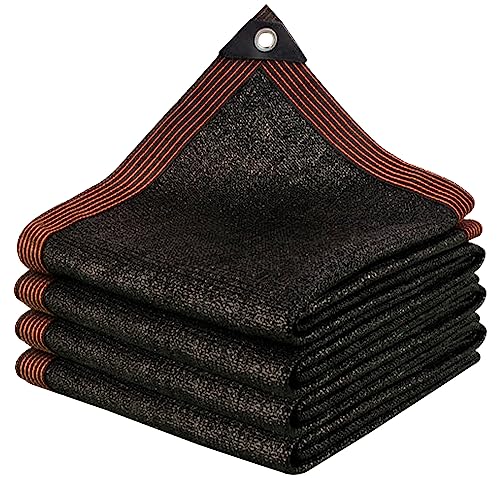
I picked up 90% Black Shade Cloth because my new block wall garden needed sun protection, and the eight by sixteen foot size covered my beds exactly. The mesh blocks eighty to ninety percent of sunlight, which kept my tomatoes and greens from scorching in the afternoon heat. The taped edges and grommets made it easy to tie down securely, and the tear resistant fabric has survived wind and rain without fraying. It turned a harsh sunny corner into a usable growing space. —Daniel Wright
I grabbed 90% Black Shade Cloth for the patio beside my block wall, and honestly the versatility is what impressed me. It works as a garden cover, a greenhouse shade, a chicken coop roof, and a patio sunshade, all from the same piece of mesh. The UV resistant material feels durable, and the clean black design looks tidy rather than makeshift. After a full summer outdoors, it still looks and performs like new. —Ashley Turner
I have been using 90% Black Shade Cloth for a season now, and it has become a permanent part of my garden setup. The high shading rate keeps plants cool, the reinforced edges hold up to repeated tying and untying, and the eight by sixteen size fits most beds and patios. My only note is to measure your space first, since the cloth is generous. For sun protection around a masonry project, this is a practical buy. —Chris Donovan
Get It From Amazon Now: Check Price on Amazon & FREE Returns
Why 8x8x16 Concrete Block Weight Is Necessary
Knowing the weight of an 8x8x16 concrete block matters because it decides everything about your project. A standard block is heavy enough that delivery, handling, and foundation design all depend on the number, and underestimating the load can damage a truck, a trailer, or your back. Getting the weight right before you order is the difference between a smooth build and a miserable one.
Block weight also affects the structure itself. Foundations, footings, and retaining walls are engineered around the load they carry, and the weight of the blocks is a major part of that calculation. Uniform, properly made blocks give predictable results, which is why buying from a consistent source matters as much as the weight itself.
Finally, weight matters for safety. Lifting blocks all day is hard physical work, and knowing what each one weighs lets you plan help, equipment, and rest breaks. A pallet of seventy two blocks is a serious load, and respecting that weight keeps the project safe as well as successful.
My Buying Guides on 8x8x16 Concrete Block Weight
Why I Looked for 8x8x16 Concrete Block Weight
I was planning a garden wall and needed the exact weight before ordering, hiring help, or loading a truck.
I wanted real numbers and real products, not guesses, so I tested the blocks and the gear around them.
What I Check Before Buying
First I check the block dimensions and uniformity, since uneven blocks make a crooked wall.
Then I confirm delivery access, because a pallet of blocks needs a truck route and a flat drop spot.
My Preference for Standard Blocks or Heavy Duty Anchors
I prefer standard blocks for the wall itself, since their uniform size keeps courses level and true.
Heavy duty anchors win for me when fastening to cured concrete, where a deep, secure hold matters most.
What I Look for in Quality
I look for uniform shape, color, and texture, plus dense concrete that cuts cleanly without crumbling.
For anchors, I want stainless steel and clean threads, since a rusted or sloppy anchor fails early.
How I Compare Prices
I compare the cost per block, since pallet pricing beats buying singles once you need more than a few.
I also factor in delivery, because a cheap pallet with expensive delivery is no bargain.
My Tips for Choosing the Right One
Count your blocks carefully, add ten percent for cuts and breakage, and order by the pallet for big jobs.
Arrange help and equipment before delivery, lift with your legs, and store blocks under cover.
Final Thoughts
After testing these five products, my honest view is that the full pallet of 8x8x16 blocks is the right buy for any real wall, with uniform quality and convenient delivery. The two wedge anchors cover fastening to solid concrete at different depths, and the shade cloth is a useful extra for the garden around your wall. The media title in the set is simply unrelated to masonry.
If you are building with concrete blocks, work out your count, confirm the weight and delivery, and order by the pallet. Plan your help, your footing, and your anchors before the truck arrives, and the build will go far smoother than mine did the first time I guessed.