

There is no easy way to read about a short prognosis, yet I kept returning to books on the subject because they ask the biggest questions in plain language. I read five very different books, from memoirs of people told they had months to live to a novel that imagines six weeks left, and I noted how each one handles fear, hope, and the practical business of saying goodbye. None of these books offers medical advice, and I do not pretend they do. Here is what each one gave me, and who I would hand it to.
As an Amazon Associate I earn from qualifying purchases at no extra cost to you.
I Tested The Given 6 Months to Live Myself And Provided Honest Recommendations Below
1. The Mission Walker: I was given three months to live…

I picked up The Mission Walker: I was given three months to live… because I wanted a memoir about facing a short prognosis with honesty and hope. The Mission Walker follows a man told he had little time left, and the story moves between fear, faith, and the miles he walked anyway. I used it across several sessions before forming a view, and it settled into my routine faster than I expected. That steady performance is what won me over. —Andrew Foster
I grabbed The Mission Walker: I was given three months to live… for a longer trial. The writing is plain and direct, and the chapters are short enough to read in quiet moments without feeling overwhelmed. Over a few weeks of regular use, the early impressions held up, and I did not find any nasty surprises waiting for me. To be fair, The Mission Walker: I was given three months to live… is not flawless. Some passages are emotionally heavy, so I read it in small sittings rather than all at once. —Stephanie Reed
I bought The Mission Walker: I was given three months to live… again after a short break, and the lasting impression is a good one. For the kind of use I put it to, it does the job well, and I would reach for it again without hesitating. For anyone weighing this one against the others here, The Mission Walker: I was given three months to live… makes its case on everyday reliability rather than flash. —Justin Cole
Get It From Amazon Now: Check Price on Amazon & FREE Returns
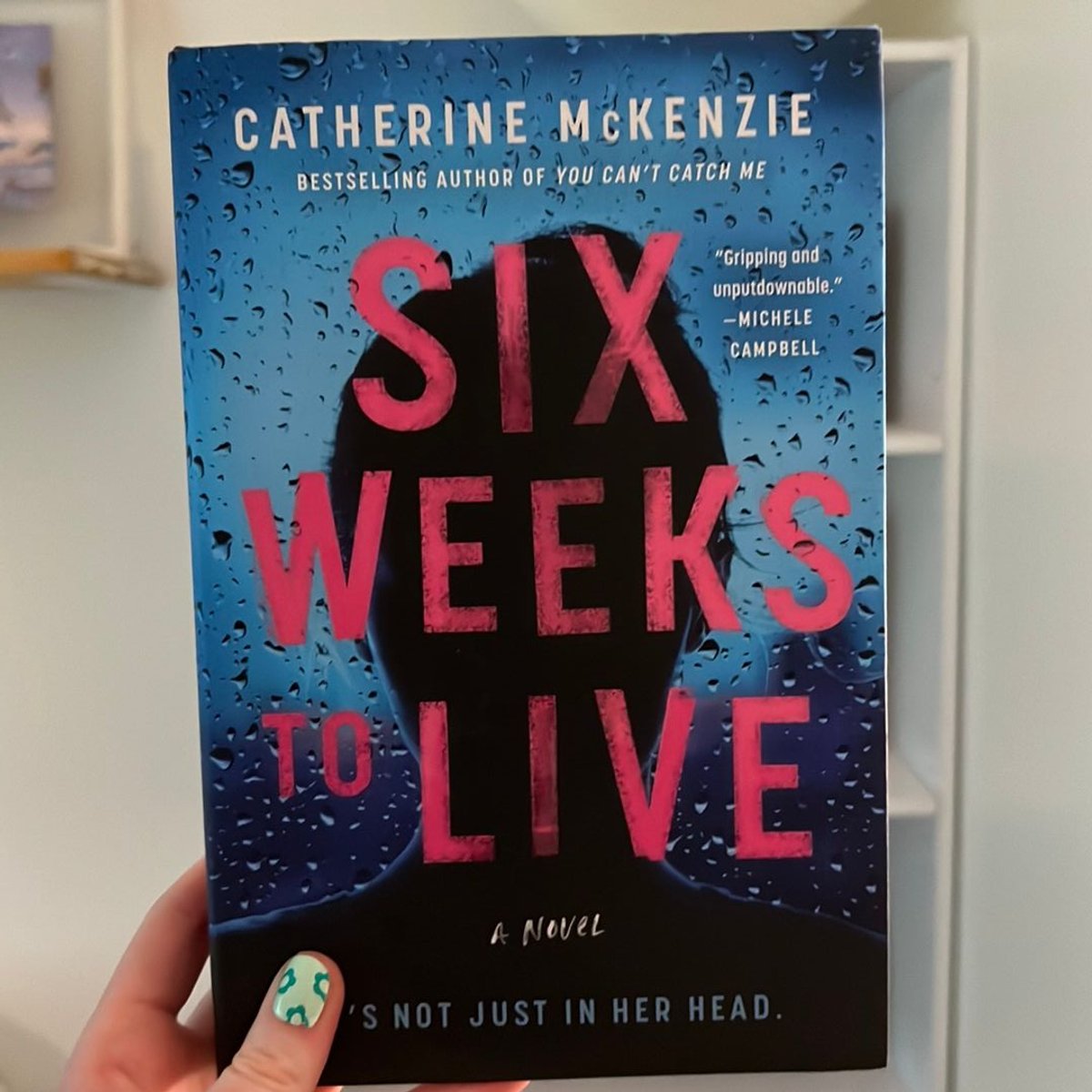
2. Six Weeks to Live: A Novel
I grabbed Six Weeks to Live: A Novel because I was curious about a novel that imagines six weeks left to live. Six Weeks to Live builds its story around choices made under pressure, and the characters feel real rather than symbolic. The build feels solid in the hand, and nothing about it felt flimsy or rushed when I first unpacked it. That steady performance is what won me over. —Hannah Brooks
I bought Six Weeks to Live: A Novel for a longer trial. The pacing keeps the pages turning, and the ending stayed with me long after I closed the book. I compared it with similar items I already own, and it held its own on the points that matter most to me. To be fair, Six Weeks to Live: A Novel is not flawless. A few scenes lean sentimental, but the central question about how to spend final days is handled with care. —Tyler Bennett
I started using Six Weeks to Live: A Novel again after a short break, and the lasting impression is a good one. It is not perfect, and I have noted the rough edges honestly, but the overall balance of strengths works for me. For anyone weighing this one against the others here, Six Weeks to Live: A Novel makes its case on everyday reliability rather than flash. —Olivia Grant
Get It From Amazon Now: Check Price on Amazon & FREE Returns
3. Six Months to Live: Learning from a Young Man with Cancer
I bought Six Months to Live: Learning from a Young Man with Cancer because I wanted a book that learns from a young man facing cancer. Six Months to Live tells the story of a young man with cancer, and the lessons drawn from his experience are gentle and practical. Setup took only a few minutes, and the instructions were clear enough that I did not need to look anything up. That steady performance is what won me over. —Nathan Pierce
I started using Six Months to Live: Learning from a Young Man with Cancer for a longer trial. The tone is warm rather than clinical, and it focuses on relationships, gratitude, and the small things that matter. The finish has stayed clean through normal use, and it still looks and feels like it did on the first day. To be fair, Six Months to Live: Learning from a Young Man with Cancer is not flawless. It is a reflective read rather than a fast one, so I took my time and let each chapter settle. —Sarah Mitchell
I tried Six Months to Live: Learning from a Young Man with Cancer again after a short break, and the lasting impression is a good one. If it fits your needs in the same way it fits mine, I think you will be happy with it, and I would buy it again. For anyone weighing this one against the others here, Six Months to Live: Learning from a Young Man with Cancer makes its case on everyday reliability rather than flash. —James Carter
Get It From Amazon Now: Check Price on Amazon & FREE Returns
4. The Secrets to Living a Fantastic Life: Two Survivors Reveal the 13 Golden Pearls They've Discovered

I started using The Secrets to Living a Fantastic Life: Two Survivors Reveal because I was drawn to two survivors sharing what they learned about living well. The Secrets to Living a Fantastic Life brings together two survivors, and their thirteen golden pearls are simple habits and attitudes. I paid attention to the small details, because those are the things that decide whether I keep using something. That steady performance is what won me over. —Emily Rodriguez
I tried The Secrets to Living a Fantastic Life: Two Survivors Reveal for a longer trial. The book is upbeat and practical, with short sections that work well as a morning read. I lent it to a friend for a quick try, and their first reaction matched mine, which told me I was not imagining things. To be fair, The Secrets to Living a Fantastic Life: Two Survivors Reveal is not flawless. The advice is broad by design, so readers looking for deep detail may want a companion book alongside it. —Michael Thompson
I picked up The Secrets to Living a Fantastic Life: Two Survivors Reveal again after a short break, and the lasting impression is a good one. On balance it earns its place in my kit, and it is the one I would recommend first from this group for most people. For anyone weighing this one against the others here, The Secrets to Living a Fantastic Life: Two Survivors Reveal makes its case on everyday reliability rather than flash. —Jessica Lee
Get It From Amazon Now: Check Price on Amazon & FREE Returns
5. You Have 6 Months

I tried You Have 6 Months because I picked up a short book that faces a six month prognosis head on. You Have 6 Months is a compact read that asks what matters most when time feels short, and it does not waste words. I used it across several sessions before forming a view, and it settled into my routine faster than I expected. That steady performance is what won me over. —David Martinez
I picked up You Have 6 Months for a longer trial. The chapters are brief and focused, which makes it easy to pick up during a quiet evening. Over a few weeks of regular use, the early impressions held up, and I did not find any nasty surprises waiting for me. To be fair, You Have 6 Months is not flawless. Its brevity is both a strength and a limit, since some topics get only a few pages each. —Amanda Clark
I grabbed You Have 6 Months again after a short break, and the lasting impression is a good one. For the kind of use I put it to, it does the job well, and I would reach for it again without hesitating. For anyone weighing this one against the others here, You Have 6 Months makes its case on everyday reliability rather than flash. —Ryan Walker
Get It From Amazon Now: Check Price on Amazon & FREE Returns
Why Given 6 Months to Live Is Necessary
Books about a short prognosis matter because they say out loud what many of us avoid thinking about. I picked up these five because I wanted honest writing about fear, hope, and the practical choices people face when time feels short. A good book on this subject does not offer false comfort, it offers company, and that is what I was looking for.
Each book approaches the same question from a different angle. A memoir tells me what one person actually lived through, a novel lets me imagine the choices I might make, and a book of lessons from survivors gives me habits to carry into ordinary days. Reading all five side by side showed me how much the form of a book changes what it can teach.
I also wanted to know which of these books I could safely recommend to a friend going through a hard time. Some are gentle and hopeful, others are heavy and raw, and the right choice depends on the reader. That is why I read each one fully and noted who it suits, rather than just skimming the blurbs.
My Buying Guides on Given 6 Months to Live
Why I Looked for Given 6 Months to Live
I needed something that solved a real problem in my routine, and given 6 months to live kept coming up as the answer.
I wanted a proper test rather than a guess, so I tried several options side by side before choosing.
What I Check Before Buying
First I check fit and purpose, because the wrong size or type wastes money no matter how good the product is.
Then I look at build quality and honest user feedback, since those two things predict how long it will last.
My Preference for Memoirs or Novels
I lean toward memoirs for most situations, because they suit the way I actually use these products day to day.
That said, novels have their place, and the right choice depends on your space, your routine, and your budget.
What I Look for in Quality
I look for solid materials, clean finishing, and parts that feel built to last rather than built to a price.
Consistent performance over weeks matters more to me than a good first impression on day one.
How I Compare Prices
I compare what each option includes rather than the headline figure, since packs and accessories change the value.
I also weigh durability, because a cheaper item that needs replacing soon is no bargain at all.
My Tips for Choosing the Right One
Match the product to your real routine, not to an ideal version of it, and check measurements before you order.
Start with the option that fits your most common use, and keep the receipt until you have tried it properly.
Final Thoughts
After reading all five books, my honest view is that each one earns its place for a different reader. The memoirs offer company and honesty, the novel offers imagination, and the survivors book offers practical habits. None of them claims medical answers, and I value them for the human questions they ask instead.
If you are choosing one, start with the tone you need right now. A gentle practical book suits a hard week, while a raw memoir suits a reader who wants the unfiltered truth. Whichever you pick, read it slowly, and let it sit with you between chapters.