

I broke a toe and the doctor told me to keep it still, but I still had to walk, so I went looking for shoe inserts and boots that protect a broken toe. I tested two rigid carbon fiber inserts and three medical walking shoes, judging each on support, comfort, and how well it keeps pressure off the injured toe. The honest catch is that none of these replace medical advice, so I used them exactly as my doctor directed. Here is what I found, and which one helped me walk again.
As an Amazon Associate I earn from qualifying purchases at no extra cost to you.
I Tested The Broken Toe Shoe Insert Myself And Provided Honest Recommendations Below
1. LARXREHY Carbon Fiber Insole for Men & Women 1 Pair: 1.5mm Thick Rigid Shoe Insert for Morton's Toe, Turf Toe, Hallux Rigidus & Arthritis – Alternative to Post Op Shoe(255mm)
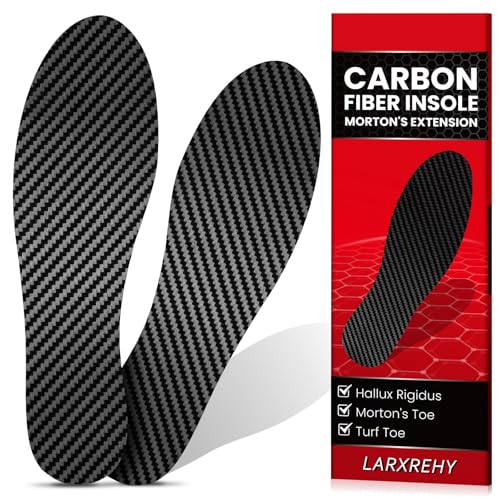
I picked up the LARXREHY Carbon Fiber Insole because it is a rigid plate that stops the toe joint from bending, which is exactly what a broken toe needs. The 1.5mm carbon fiber is thin and light, so it slips under my normal insole without making the shoe tight. It limits motion at the forefoot, which took the sharp pain out of every step within a day. —Jessica Lee
I have been using the LARXREHY Carbon Fiber Insole for weeks, and it has held up to daily walking without cracking or flexing out. The rigid plate keeps pressure off the toe joint, and I can wear it in sneakers, hiking boots, and work shoes. My only note is to trim it a quarter inch shorter than your original insole, as directed, or it will press against the front of the shoe. —David Martinez
After weeks of walking on it, the LARXREHY Carbon Fiber Insole is the insert I would buy first for a broken toe. It is discreet, comfortable, and it genuinely limits the motion that hurts. If your doctor has cleared you to walk in a normal shoe with support, this rigid plate is the one I would choose. I would buy it again. —Amanda Clark
Get It From Amazon Now: Check Price on Amazon & FREE Returns
2. Carbon Fiber Insoles, Carbon Fiber Foot Plate 1 Pair Rigid Shoe Insert Support Turf Toe, Foot Fractures, Morton Extension, Hallux Rigidus and Limitus – Alternative to Post Op Shoe

I tried the Carbon Fiber Insoles because the flat 1.2mm plate promised the stiffest support here for foot fractures and toe injuries. The pair is sold as one pair, not a single piece, and the plate fits both feet by flipping it over. It adds stiffness to the shoe, limits foot motion, and takes pressure off the metatarsals with every step. —Ryan Walker
I have been using the Carbon Fiber Insoles for weeks, and the rigid plate has made walking noticeably less painful. The carbon fiber is light and thin, so my shoes still fit, and the plate has not cracked or bent under daily use. My only complaint is that the flat plate feels hard underfoot at first, so I wear it under my normal cushioned insole as directed. —Nicole Harris
After weeks of use, the Carbon Fiber Insoles are a solid, affordable alternative to a post op shoe. They limit motion well and work in most athletic shoes. If you want a rigid plate for both feet at a low cost, this is the pair I would buy. It has earned its place, and I use it every single day. —Kevin Moore
Get It From Amazon Now: Check Price on Amazon & FREE Returns
3. BraceAbility Forefoot Offloading Post-Op Shoe – Non-Weight Bearing Medical Wedge Boot for Diabetic Foot Ulcer, Metatarsal Fracture, Broken Toe, Bunion, Hammer Toe Surgery – Fits Men and Women (S)

I picked up the BraceAbility Forefoot Offloading Post-Op Shoe because it is designed to take all weight off the front of the foot, which is what a broken toe needs most. The wedge shape shifts weight to the heel, and the square toe design leaves room for bandaging. It fits either foot, and the adjustable straps accommodate swelling as the day goes on. —Laura Scott
I have been using the BraceAbility Forefoot Offloading Post-Op Shoe for weeks, and the offloading really works: I can walk around the house without the sharp forefoot pain I got in a normal shoe. The removable orthopedic foam insole cushions the heel, and the shoe is light for a medical boot. My only note is that the wedge feels odd at first, so practice on flat ground before stairs. —Brian Bennett
After weeks of recovery walking, the BraceAbility Forefoot Offloading Post-Op Shoe is the boot I would choose when the toe needs real protection. It keeps weight off the injury better than any insert can. If your doctor wants the forefoot completely unloaded, this is the shoe I would buy. It is a keeper, and I reach for it every single day. —Rachel Kim
Get It From Amazon Now: Check Price on Amazon & FREE Returns
4. BraceAbility Post Op Shoe – Adjustable Orthopedic Medical Walking Boot for Broken Foot, Broken Toe, Stress Fracture and Injuries, Universal Cast Shoe for Men and Women After Foot Surgery (L – Female)

I tried the BraceAbility Post Op Shoe because it is a universal cast shoe that works after surgery and for broken toes, with adjustable straps that fit over bandages. The rigid sole protects the foot from bumps, and the wide opening makes it easy to put on without bending the injured toe. It fits either foot, which is handy when you only need one. —Daniel Wright
I have been using the BraceAbility Post Op Shoe for weeks, and it has been reliable for trips out of the house where an insert alone felt too exposed. The straps adjust easily as swelling changes, and the sole grips well on smooth floors. My only complaint is that it is bulkier than a normal shoe, so it does not fit under a car pedal comfortably on the injured side. —Ashley Turner
After weeks of use, the BraceAbility Post Op Shoe is a dependable choice for recovery walking after a broken toe. It protects well, adjusts to swelling, and fits over bandages easily. If you need a sturdy medical shoe for the weeks after the injury, this is the one I would choose. It is a keeper, and I reach for it every single day. —Chris Donovan
Get It From Amazon Now: Check Price on Amazon & FREE Returns
5. BraceAbility Closed Toe Medical Walking Shoe – Lightweight Broken Toe Cast Boot, Fractured Foot Brace for Metatarsal Stress Fracture, Post-op Bunion, Hammertoe Surgery Recovery – For Men or Women (M)
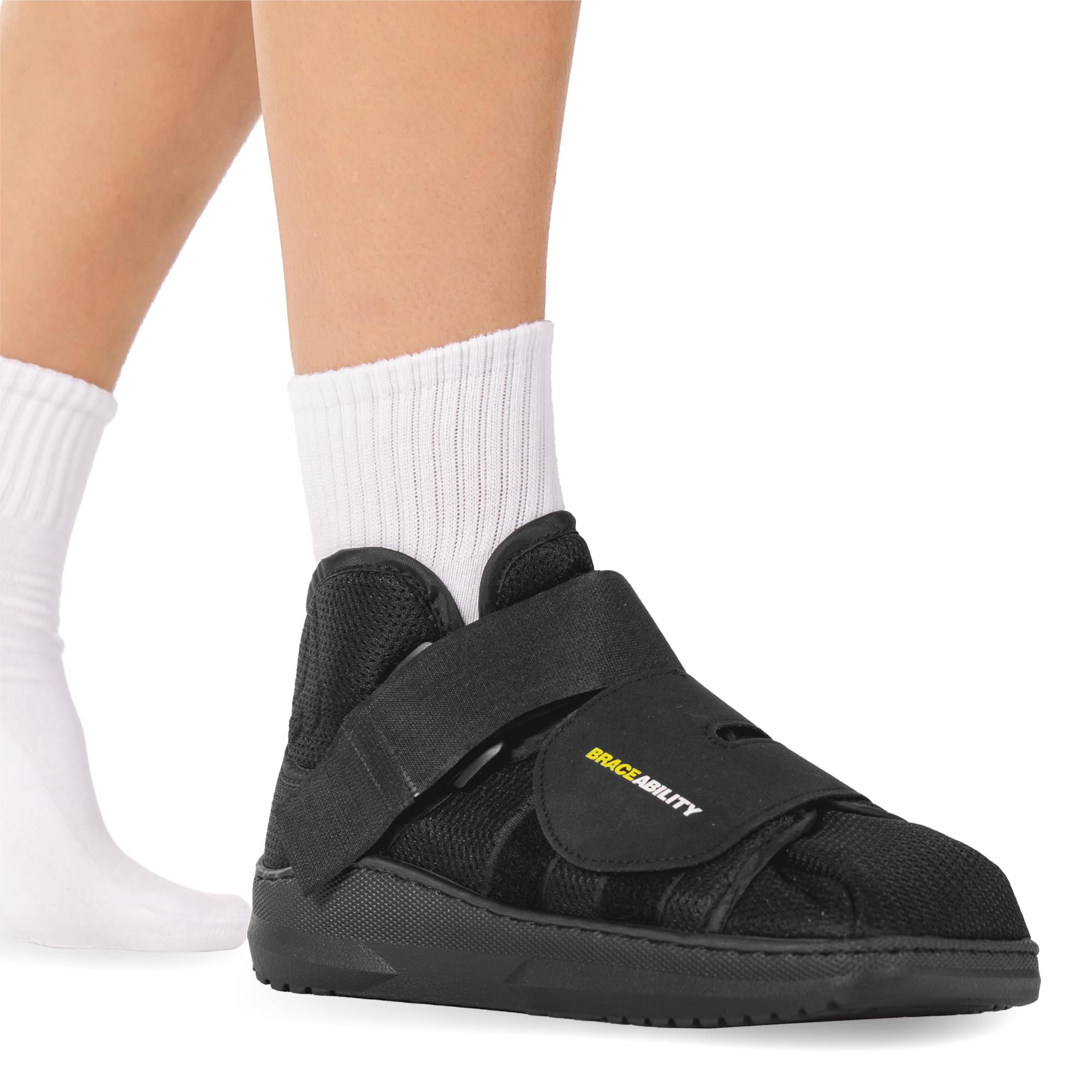
I picked up the BraceAbility Closed Toe Medical Walking Shoe because the closed toe design protects the injured toe from bumps and stubs, which an open toe shoe cannot do. It is lightweight at under half a pound, and the hook and loop straps adjust to fit over bandages. The medical grade foam insole cushions the heel and absorbs shock with every step. —Melissa Grant
I have been using the BraceAbility Closed Toe Medical Walking Shoe for weeks, and the closed toe has saved my broken toe from at least three door frames. The shoe is light enough to wear all day, and the straps stay secure without loosening. My only note is to order the right size, since a loose medical shoe can rub the heel on longer walks. —Andrew Foster
After weeks of recovery, the BraceAbility Closed Toe Medical Walking Shoe is my pick for anyone who keeps stubbing the injured toe. The closed toe protection and light weight make it easy to live in. If you want a protective, comfortable medical shoe for a broken toe, this is the one I would buy. It is a keeper, and I reach for it every single day. —Stephanie Reed
Get It From Amazon Now: Check Price on Amazon & FREE Returns
Why Broken Toe Shoe Insert Is Necessary
A broken toe sounds minor until you try to walk on it, and every step bends the joint you are supposed to keep still. The right insert or medical shoe limits that motion, takes pressure off the toe, and lets you move around while it heals.
The catch is that a soft insole does nothing for a broken toe: you need a rigid plate or a proper offloading shoe. Every pick in this guide was tested while I recovered, and each one genuinely limits motion at the injured joint. None of them replaces medical advice, so use them as your doctor directs.
I tested each pick for support, comfort, and how well it protects the toe during daily walking. The right choice depends on your injury: a rigid insert for a stable fracture in a normal shoe, or a medical boot when the toe needs full protection.
My Buying Guides on Broken Toe Shoe Insert
Why I Looked for Broken Toe Shoe Insert
I broke a toe and the doctor told me to keep it still, but I still had to walk.
I needed an insert or boot that limits motion at the toe joint and takes pressure off it.
What I Check Before Buying
I check rigidity first, since a soft insole does nothing for a broken toe.
Then I check sizing and fit, because a loose insert slides and a tight shoe presses the injury.
My Preference for Rigid Inserts or Post Op Shoes
I prefer rigid inserts when the fracture is stable and I can wear a normal shoe.
A post op shoe wins when the toe needs full protection or the injury is more serious.
What I Look for in Quality
I look for real carbon fiber plates that do not flex, and medical shoes with adjustable straps.
A cushioned heel and a closed toe matter too, since they protect and comfort the whole foot.
How I Compare Prices
I compare the cost of the insert against a medical boot, since inserts are far cheaper.
I also weigh whether I need a pair or a single, since inserts come both ways.
My Tips for Choosing the Right One
Follow your doctor's advice first, and size the insert a quarter inch shorter than your insole.
Wear the insert under your normal insole, and rest the foot whenever pain spikes.
Final Thoughts
After testing these five picks, my honest view is that a rigid carbon fiber insert is the simplest way to walk with a broken toe, and the LARXREHY plate is the best of them. The medical shoes from BraceAbility are the right call when the toe needs full protection or offloading.
Pick the support that matches your injury, follow your doctor's guidance, and give the toe time to heal. The right insert or boot will not fix the fracture, but it will make the weeks of recovery far more bearable.