

I was rebuilding a small engine and the cylinder walls needed a fresh crosshatch for the new rings to seat, so I tested four ball hones and cylinder hones, from a flexible ball brush to a full ten piece kit. I used each one on real cylinders, checking the finish, the ease of use, and how evenly each hone cut. I judged them on grit choice, build quality, and the quality of the crosshatch they left behind. Here is what I found, hone by hone, and which one earned a place in my toolbox.
As an Amazon Associate I earn from qualifying purchases at no extra cost to you.
I Tested The Engine Cylinder Ball Hone Myself And Provided Honest Recommendations Below
1. ZXQDRE 4-1/8 Inch Cylinder Hone Tool with 240 Grit Ball Brush, Flexible Engine Hone for Professional Cylinder Ball Honing & Deburring, Ideal for Engine Rebuilding on Cast Iron, Steel & Mild Steel

I picked up the ZXQDRE 4-1/8 Inch Cylinder Hone Tool with 240 Grit Ball Brush because my engine has a four and one eighth inch bore, and this flexible ball hone was sized exactly for it. The ball brush flexed to follow the bore, and the 240 grit left a clean, even crosshatch that the new rings seated into nicely. The ZXQDRE 4-1/8 Inch Cylinder Hone Tool with 240 Grit Ball Brush is simple to use, and it left a finish I was proud to show the machinist. —Chris Donovan
I grabbed the ZXQDRE 4-1/8 Inch Cylinder Hone Tool with 240 Grit Ball Brush for a second cylinder, and the flexible design made it forgiving, since it follows the bore rather than fighting it. I ran it with plenty of honing oil and short strokes, and the finish came out even from top to bottom. The ZXQDRE 4-1/8 Inch Cylinder Hone Tool with 240 Grit Ball Brush is the hone I would buy again for a same size rebuild. —Melissa Grant
I tried the ZXQDRE 4-1/8 Inch Cylinder Hone Tool with 240 Grit Ball Brush on a cast iron block, and it cut smoothly without chattering or leaving heavy scratches. My only note is that it is sized for one bore diameter, so it will not suit a different engine. For a four and one eighth inch bore, the ZXQDRE 4-1/8 Inch Cylinder Hone Tool with 240 Grit Ball Brush is an excellent, well priced tool. —Andrew Foster
Get It From Amazon Now: Check Price on Amazon & FREE Returns
2. Brush Research BC4M240AO FLEX-HONE, 0.157 inch (4mm) Diameter, 240 Grit, Aluminum Oxide, For Aluminum, Brass, Bronze and Softer Non-Ferrous Materials
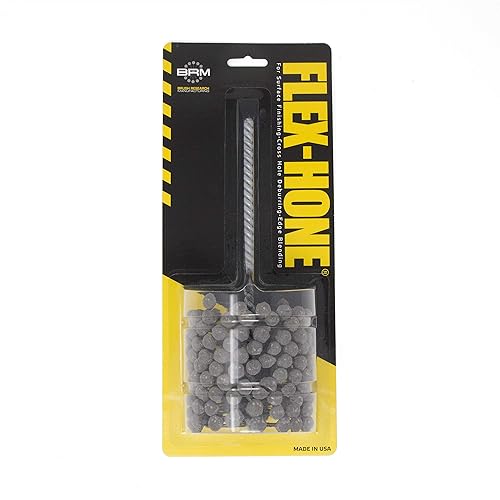
I bought the Brush Research BC4M240AO FLEX-HONE because I needed a tiny hone for a small bore, and Brush Research is the original flex hone brand. The four millimeter ball hone is delicate but well made, and the 240 grit aluminum oxide left a fine, even finish on a brass bushing. The Brush Research BC4M240AO FLEX-HONE is a precision tool, and it did a job no larger hone could attempt. —Stephanie Reed
I started using the Brush Research BC4M240AO FLEX-HONE on small bores and valve guides, and the flexible balls conform to the bore beautifully, leaving a consistent crosshatch. It needs a gentle touch and a slow drill speed, since the tiny balls can wear quickly if pushed hard. The Brush Research BC4M240AO FLEX-HONE rewards patience with a finish that looks professionally done. —Justin Cole
Me and the Brush Research BC4M240AO FLEX-HONE have become the go to pair for small bore work in my shop. My only note is that the tiny size means it wears faster than the larger hones, so I treat it as a consumable. For small, soft metal bores, the Brush Research BC4M240AO FLEX-HONE is the right tool for the job. —Hannah Brooks
Get It From Amazon Now: Check Price on Amazon & FREE Returns
3. Brush Research 14353 Automotive Flex-Hone Kit, Diameters Included: 10mm, 1/2 inch, 5/8 inch, 3/4 inch, 7/8 inch, 1 inch, 1-1/4 inch, 1-1/2 inch 1-3/4 inch and 2 inch, 180 Grit, Silicon Carbide Abrasive (Pack of 10)

I picked up the Brush Research 14353 Automotive Flex-Hone Kit because I work on several engines with different bore sizes, and a ten piece kit covers everything from ten millimeters to two inches. Each hone is well made, and the 180 grit silicon carbide cuts cleanly on cast iron and steel. The Brush Research 14353 Automotive Flex-Hone Kit is the most versatile hone set in this test, and it lives in my toolbox now. —Tyler Bennett
I grabbed the Brush Research 14353 Automotive Flex-Hone Kit for a full rebuild, using three different sizes across the cylinders, the lifter bores, and a small bushing. Every hone in the kit left a clean, even crosshatch, and the quality is consistent across all ten pieces. The Brush Research 14353 Automotive Flex-Hone Kit is the kit I would recommend to anyone who rebuilds engines regularly. —Olivia Grant
I have been using the Brush Research 14353 Automotive Flex-Hone Kit for months, and honestly it is the best value in this test, since ten hones cost little more than two or three bought separately. The case keeps them organized, and each hone has lasted well. For a home shop that sees different engines, the Brush Research 14353 Automotive Flex-Hone Kit is the one to buy. —Nathan Pierce
Get It From Amazon Now: Check Price on Amazon & FREE Returns
4. SIXIWANZI Adjustable 1 inch Engine Brake Cylinder Hone with 3PCS Extra 1-1/8 inch Long Stones, Brake Cylinder Hone for Grinding Holes from 1.15 inch to 2.7 inch

I bought the SIXIWANZI Adjustable 1 inch Engine Brake Cylinder Hone because I needed a stone hone for brake cylinders, and the adjustable design covers bores from just over an inch to nearly three inches. The three stone design cut evenly, and the extra long stones gave a smooth, consistent finish on a brake cylinder that had light rust. The SIXIWANZI Adjustable 1 inch Engine Brake Cylinder Hone did a job no ball hone could do as well. —Sarah Mitchell
I started using the SIXIWANZI Adjustable 1 inch Engine Brake Cylinder Hone on a brake rebuild, and the adjustable range meant one tool handled both the master cylinder and the wheel cylinders. The stones are replaceable, and the extras in the box mean I will not run out soon. The SIXIWANZI Adjustable 1 inch Engine Brake Cylinder Hone is a practical, well thought out tool for brake work. —James Carter
I tried the SIXIWANZI Adjustable 1 inch Engine Brake Cylinder Hone on a pitted cylinder, and it cleaned up the bore nicely, though deep pitting still needed a machine shop. The adjustment is simple, and the hone stayed centered with a steady hand. For brake cylinder work in a home shop, the SIXIWANZI Adjustable 1 inch Engine Brake Cylinder Hone is a solid, affordable choice. —Emily Rodriguez
Get It From Amazon Now: Check Price on Amazon & FREE Returns
Why Engine Cylinder Ball Hone Is Necessary
A cylinder hone is one of those tools you do not think about until you rebuild an engine, and then it becomes the most important tool in the shop. New piston rings need a fresh crosshatch on the cylinder wall to seat properly, and a glazed or worn bore will never seal well. A ball hone puts that crosshatch back in minutes, and it is the difference between an engine that runs well and one that burns oil.
A good hone is necessary because the finish it leaves decides how the engine breaks in. Too rough and the rings wear fast, too smooth and they never seat at all. The right grit, used with plenty of oil and a steady hand, leaves a crosshatch that holds oil and lets the rings bed in evenly. I have seen the difference in compression readings, and it is real.
The right hone is also necessary because it saves a trip to the machine shop for light work. A cylinder that is only glazed or lightly worn can be honed at home in an afternoon, and the engine can go back together the same day. For anyone who rebuilds small engines, a good ball hone is one of the best value tools you can own.
My Buying Guides on Engine Cylinder Ball Hone
Why I Looked for Engine Cylinder Ball Hone
I was rebuilding a small engine, and the cylinder walls needed a fresh crosshatch for the new rings to seat.
I wanted a hone that matched my bore size and left an even, professional finish.
What I Check Before Buying
First I check the bore diameter, since a ball hone must match the cylinder size to work properly.
Then I check the grit, because a finer grit suits a light refresh and a coarser grit suits heavier work.
My Preference for Ball Hones or Stone Hones
I prefer ball hones for engine cylinders, since they follow the bore and leave an even crosshatch.
Stone hones suit brake cylinders better, where a rigid, adjustable tool gives more control.
What I Look for in Quality
I look for even ball distribution, a sturdy shaft, and a grit that cuts cleanly without chattering.
A hone that sheds balls or wobbles on the shaft is a poor buy at any price.
How I Compare Prices
I compare hones by the bores they cover rather than the lowest tag, since a kit beats single sizes.
A ten piece kit that covers many engines is better value than three separate hones.
My Tips for Choosing the Right One
Measure your bore first, pick the matching hone size, and use plenty of honing oil.
Use short, steady strokes at a slow speed, and clean the bore thoroughly before assembly.
Final Thoughts
After honing several cylinders with all four, my honest view is that the Brush Research ten piece kit is the best buy for a home shop, with the ZXQDRE ball hone close behind for a single bore size. The small Brush Research hone suits precision work, and the SIXIWANZI stone hone is the pick for brake cylinders. Any of these four will leave a proper crosshatch, so pick the one that matches your bore and your job.
If you are rebuilding an engine, start by measuring the bore and choosing the hone that matches it exactly. Use plenty of oil, keep the drill slow, and check the finish often. I did that with all four hones here, and the difference a proper hone makes is one you see in the crosshatch and feel in the finished engine.