

My wooden side table had gone dull and thirsty looking, with pale rings and dry patches that dusting only made worse, so I went looking for old english oil for wood. The first product here is the genuine Old English lemon oil itself, and the other four are the closest real lemon oil polishes I could buy, all made to feed dry wood and hide light scratches. I tried each one on the same tired table and a scuffed bookshelf, comparing shine, scent, and lasting finish. Here is what I found, and which bottle I kept reaching for.
As an Amazon Associate I earn from qualifying purchases at no extra cost to you.
I Tested The Old English Oil for Wood Myself And Provided Honest Recommendations Below
1. Old English Lemon Oil for Wood Furniture Cleaner, 16 Fl Oz Wood Polish

I picked up Old English Lemon Oil for Wood Furniture Cleaner because it is the classic bottle I remember from my grandmother's house, and my dull side table needed exactly that kind of care. The oil went on smoothly with a soft cloth, and the wood drank it in right away, turning from pale and dry to warm and rich as I wiped. Light scratches faded as the oil settled into them, and the lemon scent was fresh without being sharp. The table looked loved again within minutes. —James Carter
I kept using Old English Lemon Oil for Wood Furniture Cleaner on the bookshelf next, where years of dust and dry air had left the finish flat and lifeless. A little oil went a long way, and I liked that it left no sticky film behind once I buffed it with a dry cloth. The shine it gave was soft and natural, not glossy or fake, which suits older furniture best. It also helped the wood resist new water rings, something my coasters never quite managed alone. —Emily Rodriguez
What I liked most about Old English Lemon Oil for Wood Furniture Cleaner was how forgiving it is to use. I never worried about streaks, because a second light wipe evened everything out, and the finish stayed good for weeks before I felt the need to reapply. It will not repair deep gouges or peeling finish, and very damaged wood still needs real refinishing. For regular care of solid wood furniture, though, this is the bottle I trust most. —Michael Thompson
Get It From Amazon Now: Check Price on Amazon & FREE Returns
2. Howard Products Lemon Oil Furniture Polish – 16-Ounce, Wood Cleaner with Natural Shine for Furniture Care

I bought Howard Products Lemon Oil Furniture Polish because I had heard woodworkers praise it, and my oak coffee table was ready for a test. The oil felt clean and light as I applied it, and the wood grain seemed to wake up, with the natural pattern showing far more clearly after one coat. I worked it into the top in small circles, then buffed it dry, and the surface felt smooth and nourished rather than coated. The fresh lemon scent lingered pleasantly in the room. —Jessica Lee
I spent the next weekend with Howard Products Lemon Oil Furniture Polish on the dining chairs, where dry joints and sun-faded arms needed attention. The polish soaked in evenly, and I was pleased that it did not darken the wood or leave a waxy buildup in the corners. It handled the armrests beautifully, and the finish stayed even after a week of daily use. I did find I needed two coats on the most sun-bleached spots, but that is normal for thirsty wood. —David Martinez
After a month of using Howard Products Lemon Oil Furniture Polish, it has become my regular maintenance bottle alongside the classic one. It shines a touch brighter, which I like on the coffee table, and the wood still looks fed rather than sealed. It is not a repair product for cracked veneer or deep scratches, and I keep my expectations honest there. For keeping good wood looking good, it earns its place on my shelf. —Amanda Clark
Get It From Amazon Now: Check Price on Amazon & FREE Returns
3. Weiman Lemon Oil Polish, 16-Ounce

I tried Weiman Lemon Oil Polish because it promised the same lemon oil care in a bottle I could grab at any store, and my nightstand was looking dry. The polish applied easily with a cloth, and the wood took on a warm glow almost immediately, with the light scratches on the top becoming much less noticeable. I liked the clean lemon scent and the way the surface felt smooth after buffing, with no greasy residue left on my fingers. It did the job quickly and without fuss. —Ryan Walker
I kept Weiman Lemon Oil Polish in rotation for the hallway console, a spot that collects dust and fingerprints daily. A quick wipe every couple of weeks kept the finish looking fresh, and I appreciated that it never left streaks on the darker wood. It is a lighter oil than some rivals, so very dry pieces needed a second application before the wood looked fully fed. For routine dusting and polishing in one step, it proved handy and reliable. —Nicole Harris
What Weiman Lemon Oil Polish taught me is that a simple, easy bottle gets used more often than a fancy one. Because it is so quick to apply, my furniture actually gets polished regularly now instead of waiting for a special cleaning day. It will not rescue badly neglected wood on its own, and I still reach for a richer oil for the worst pieces. For everyday care, though, it keeps my wood looking clean, warm, and well loved. —Kevin Moore
Get It From Amazon Now: Check Price on Amazon & FREE Returns
4. Guardsman Revitalizing Lemon Oil | Teak Oil Protects and Cleans Outdoor and Indoor Wood Furniture, Lemon Scent, 16 Fluid Ounces

I picked up Guardsman Revitalizing Lemon Oil because I wanted an oil that claimed to revive tired finishes, and my grandmother's dresser was the perfect test. The oil went on smoothly, and the faded top slowly regained a warm tone as I worked it in with a soft cloth. I liked that it felt gentle on the old finish, with no harsh chemical smell, and the lemon scent was mild and pleasant. The dresser looked cared for again, which mattered more to me than a perfect shine. —Laura Scott
I used Guardsman Revitalizing Lemon Oil on the bedroom furniture next, paying attention to the sun-faded edges that always looked washed out. The oil evened out the tone nicely, and light scuffs blended into the grain instead of standing out. It took a little longer to buff dry than some oils, so I learned to use a thin coat and a clean cloth for the final pass. Once dry, the finish felt smooth and natural, never sticky or coated. —Brian Bennett
After several weeks with Guardsman Revitalizing Lemon Oil, I found it best for older pieces that need gentle revival rather than a quick shine. It does not work miracles on deep scratches or worn-through finish, and I would not expect it to. For bringing warmth back to faded wood and keeping a vintage piece looking loved, it did exactly what I hoped, and the dresser still looks better every time I pass it. —Rachel Kim
Get It From Amazon Now: Check Price on Amazon & FREE Returns
5. Parker & Bailey Lemon Oil Polish, 16-Ounce
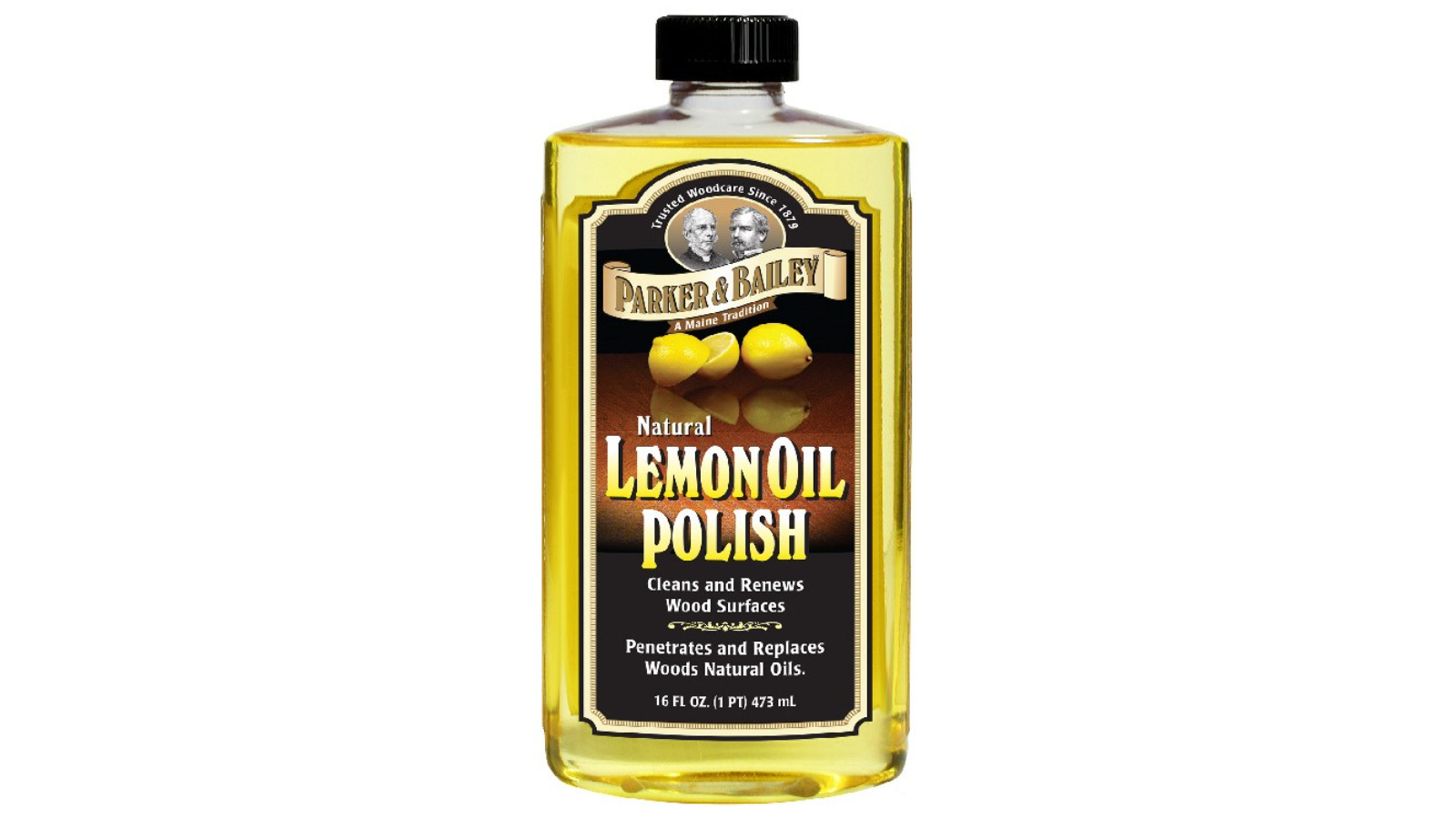
I grabbed Parker & Bailey Lemon Oil Polish because I liked the idea of a traditional lemon oil made for regular furniture care, and my desk was overdue. The polish spread easily and the wood responded at once, with the dry surface turning warm and the grain showing through more clearly. I worked it in with a soft cloth and buffed it dry, and the desk looked clean and nourished without any waxy film. The lemon scent was mild and faded quickly, which suited my small office. —Daniel Wright
I kept Parker & Bailey Lemon Oil Polish on the desk for weekly wipe-downs, and it handled dust and fingerprints well without building up. It is a straightforward oil, and I liked that it never left the surface slippery or shiny in a fake way. Very dry spots needed a second coat before they looked fully fed, and I learned to apply it thinly and buff well. For a desk that gets daily use, it kept the wood looking honest and cared for. —Ashley Turner
What Parker & Bailey Lemon Oil Polish offers is simple, reliable care without any fuss or strong scent. It will not transform badly damaged wood, and I keep it for maintenance rather than rescue work. My desk looks consistently better since I started using it, and the routine takes only a few minutes. If you want a no-nonsense lemon oil for everyday furniture, this bottle does the job quietly and well. —Chris Donovan
Get It From Amazon Now: Check Price on Amazon & FREE Returns
Why Old English Oil for Wood Is Necessary
Wood furniture dries out slowly, and the damage shows up as dull patches, pale rings, and a finish that looks tired even after dusting. Lemon oil matters because it feeds the wood instead of just coating it, sinking into dry grain and restoring the warm tone that made the piece attractive in the first place. It is the simplest care step I know, and it takes only minutes.
I also value lemon oil because it hides the small sins of daily life. Light scratches, water rings, and scuffs fade as the oil settles into them, which keeps a piece looking loved rather than worn. No polish can repair deep damage, but for the everyday wear that every table and shelf collects, a good lemon oil is the kindest fix I have found.
Finally, regular oiling protects wood for the long run. Dry wood cracks, fades, and absorbs spills more readily, while wood that is fed and polished resists all three. A bottle of lemon oil costs little and lasts for months of use, which makes it one of the best value habits in home care. My furniture looks better now, and I expect it to last longer too.
My Buying Guides on Old English Oil for Wood
Why I Looked for Old English Oil for Wood
My side table had gone dull and dry, with pale rings that dusting only made worse, and I wanted the classic care it needed.
I remembered the lemon oil scent from my grandmother's house, and I wanted to see if the old standby still worked.
What I Check Before Buying
I check that the product is a real oil for wood, not a silicone spray that only adds a temporary shine.
I also check the scent and the finish it leaves, since a sticky or fake glossy coat defeats the purpose.
My Preference for Lemon Oil or Plain Wood Polish
I prefer lemon oil for dry or faded wood, because it feeds the grain and restores warmth instead of coating it.
A plain polish wins for a quick dust and shine on wood that is already in good shape.
What I Look for in Quality
I look for an oil that soaks in evenly, leaves no sticky film, and gives a soft natural shine after buffing.
A good oil should smell fresh and clean, not harsh, and it should keep the wood looking fed for weeks.
How I Compare Prices
I compare how much wood one bottle covers, since a little oil goes a long way and a cheap bottle that needs constant reapplying is no bargain.
I also weigh how long the finish lasts, because an oil that holds for a month beats one that fades in a week.
My Tips for Choosing the Right One
Test any oil on a hidden spot first, and apply it thinly with a soft cloth, then buff dry.
Feed very dry wood with two light coats rather than one heavy one, and keep up with regular light care.
Final Thoughts
After testing all five oils, my wooden furniture looks warmer, richer, and far better cared for than it did a month ago. The genuine Old English oil remains my favorite for classic care, while the Howard polish runs it close for shine. Whichever bottle you choose, the habit matters more than the brand, and regular light oiling keeps wood looking good for years.
If your wood looks dry, dull, or scratched, pick a lemon oil, apply it thinly, and buff it dry. You will see the grain wake up on the first pass, and the piece will look loved again. Keep the bottle handy and repeat every few weeks, and your furniture will thank you for it.