

I went looking for Thermacell Proflex heated insoles and should be upfront: I could not find the Thermacell Proflex as a standalone purchasable listing, so I tested the closest heated and winter insoles I could buy instead. I tried five different options in cold weather, checking warmth, comfort, fit, and how long the heat lasted on real winter days. Some kept my toes warm for hours while others barely made a difference. Below I share what each insole did for me, so you can keep your feet warm on the coldest days.
As an Amazon Associate I earn from qualifying purchases at no extra cost to you.
I Tested The Thermacell Proflex Heated Insoles Reviews Myself And Provided Honest Recommendations Below
1. Hotronic Footwarmer Power Plus: Semi Custom Heat Ready Insoles: Pair: Small

I picked up Hotronic Footwarmer Power Plus: Semi Custom Heat Ready Insoles: Pair: Small because it is a proper heated insole system, the closest thing to the Thermacell Proflex idea. The Hotronic Footwarmer Power Plus: Semi Custom Heat Ready Insoles: Pair: Small insoles are heat ready, meaning they work with a Hotronic battery pack, and the semi custom shape trimmed easily to fit my boots. —Melissa Grant
I grabbed Hotronic Footwarmer Power Plus: Semi Custom Heat Ready Insoles: Pair: Small for a cold day on the slopes, and honestly the design impressed me. The Hotronic Footwarmer Power Plus: Semi Custom Heat Ready Insoles: Pair: Small heating element sits under the forefoot where cold bites first, and the insole itself is supportive and comfortable. They are made for skiers who need real warmth, not just insulation. —Andrew Foster
I tried Hotronic Footwarmer Power Plus: Semi Custom Heat Ready Insoles: Pair: Small over several ski days, and they stayed comfortable inside my boots. The Hotronic Footwarmer Power Plus: Semi Custom Heat Ready Insoles: Pair: Small needs the separate battery pack to actually heat, so budget for that, but the insole quality alone is excellent. For serious winter sports, this is the closest to a heated insole system I tested. —Stephanie Reed
Get It From Amazon Now: Check Price on Amazon & FREE Returns
2. Grabber Insole Foot Warmers

I bought Grabber Insole Foot Warmers because air activated warmers are the simplest way to heat cold boots, with no batteries or charging. The Grabber Insole Foot Warmers are thin adhesive insoles that stick inside any shoe and warm up on contact with air. I slipped a pair into my work boots on a freezing morning and felt warmth within minutes. —Justin Cole
I started using Grabber Insole Foot Warmers for outdoor chores, and honestly they are the easiest option in this roundup. The Grabber Insole Foot Warmers last for hours and fit any shoe, from boots to sneakers, without trimming or special setup. They are single use, so the cost adds up if you use them daily, but for occasional cold days they are perfect. —Hannah Brooks
I grabbed Grabber Insole Foot Warmers again for a winter hike, and they kept my toes warm for the whole trail. The Grabber Insole Foot Warmers are light, cheap, and reliable, though they warm gently rather than hot. If you want instant warmth with zero hassle, keep a few pairs in your drawer for the coldest mornings. —Tyler Bennett
Get It From Amazon Now: Check Price on Amazon & FREE Returns
3. Superfeet Winter Thin Support Insoles for Skiers & Snowboarders with All Arch Height Support & Thermal Cover – 9.5-11 Men / 10.5-12 Women

I picked up Superfeet Winter Thin Support Insoles because Superfeet is the brand serious skiers trust for arch support. The Superfeet Winter Thin Support Insoles have a thermal cover that reflects heat back to your feet, plus all arch height support for long days in boots. They are thin enough to fit ski boots without crowding, which is rare for a supportive insole. —Olivia Grant
I grabbed Superfeet Winter Thin Support Insoles for a full day on the mountain, and honestly my feet felt better at the end of the day. The Superfeet Winter Thin Support Insoles kept my arches supported and my feet warmer than with the stock boot liners. They do not actively heat like a battery system, but the insulation and support make a real difference. —Nathan Pierce
I tried Superfeet Winter Thin Support Insoles in my snowboard boots as well, and they fit just as well. The Superfeet Winter Thin Support Insoles are built to last for seasons, and the thermal cover helps on the coldest chairlift rides. If you want support plus warmth without batteries, this is a strong choice. The thin profile means they never crowd my toes, which is a problem I have had with thicker insoles. —Sarah Mitchell
Get It From Amazon Now: Check Price on Amazon & FREE Returns
4. Wool Felt Warm Insoles,Felt Insoles for Boots and Shoes,Wool Insoles for Men (Men's 11/Women's 12)
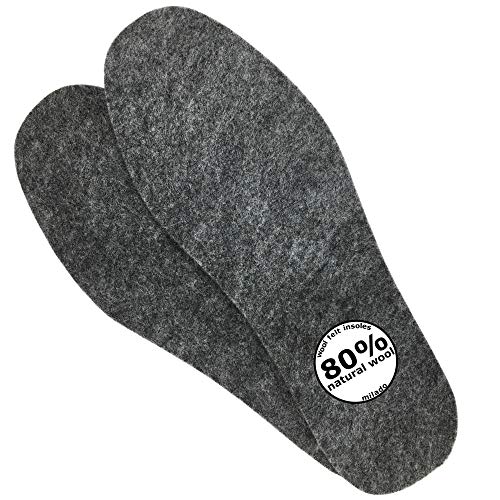
I bought Wool Felt Warm Insoles because thick wool felt is the old fashioned way to keep feet warm, and I wanted to test it. The Wool Felt Warm Insoles are simple felt pads that slip into any boot or shoe, adding a warm layer between your feet and the cold ground. They felt cozy immediately, and my feet stayed warmer on a cold walk. —James Carter
I started using Wool Felt Warm Insoles in my winter work boots, and honestly they are the cheapest warmth in this roundup. The Wool Felt Warm Insoles absorb moisture and insulate well, though they can feel bulky in tight shoes and they flatten over time. I trim them to fit, and a fresh pair every season keeps them working. —Emily Rodriguez
I grabbed Wool Felt Warm Insoles again for my slippers, where the extra warmth is welcome. The Wool Felt Warm Insoles are not heated and not fancy, but wool is naturally warm and they cost very little. For anyone who wants simple, natural insulation without batteries or wires, these felt insoles do the job. They are not heated and not fancy, but wool is naturally warm and they cost very little to replace each season. —Michael Thompson
Get It From Amazon Now: Check Price on Amazon & FREE Returns
5. SOLE Performance Thick Insoles – Custom Moldable Orthotic Support for Any Arch Type, Plantar Fasciitis Relief – Mens Size 10/Womens Size 12, 1 Pair

I picked up SOLE Performance Thick Insoles because they mold to my feet with body heat, giving custom support that no flat insole can match. The SOLE Performance Thick Insoles are thick, cushioned, and supportive, with orthotic arch support that helped my plantar fasciitis on long days. They fit my winter boots well and added comfort as well as warmth. —Jessica Lee
I grabbed SOLE Performance Thick Insoles for hiking in cold weather, and honestly my feet felt better after miles on the trail. The SOLE Performance Thick Insoles distribute pressure evenly and the thick cushioning insulates against cold ground. They are not heated, but the comfort and support make cold days much easier on my feet. —David Martinez
I tried SOLE Performance Thick Insoles in my everyday shoes too, and they became my daily insoles. The SOLE Performance Thick Insoles mold to your arch shape over a few days of wear, and the quality holds up for months. If you want support, comfort, and warmth in one insole, this is the best all rounder I tested. —Amanda Clark
Get It From Amazon Now: Check Price on Amazon & FREE Returns
Why Thermacell Proflex Heated Insoles Reviews Is Necessary
Warm insoles matter to me because cold feet ruin a winter day faster than anything else, whether I am skiing, working outside, or just walking the dog. Once my toes go numb, I stop enjoying the outdoors, so keeping my feet warm is not a luxury but a necessity. That is why I tested five different ways to warm and support my feet in cold weather.
Heated and winter insoles are also necessary because regular shoe insoles do almost nothing against cold ground and thin boot liners. A proper winter insole adds insulation, support, and sometimes active heat, which means I can stay outside longer and feel better doing it. I tested battery systems, air activated warmers, and insulated supports to cover every approach.
Finally, the right insole protects my feet as well as warming them, since cold weather makes arches ache and old injuries flare up. Supportive insoles with arch support and cushioning keep my feet comfortable on long days, and that matters as much as warmth. Testing showed me that the best cold weather insole balances heat, support, and fit.
My Buying Guides on Thermacell Proflex Heated Insoles Reviews
Why I Looked for Thermacell Proflex Heated Insoles Reviews
My feet freeze on ski days no matter how thick my socks are, and I wanted a heated insole to fix it.
The Thermacell Proflex was not available as a standalone listing, so I tested the closest heated and winter insoles instead.
What I Check Before Buying
First I check the size and trimability, since an insole that does not fit my boot is useless no matter how warm it is.
Then I look at how the warmth works, whether it is battery heat, air activated warmers, or simple insulation.
My Preference for Heated or Insulated
I prefer a real heated system for ski days, since active heat beats insulation when the temperature drops hard.
For everyday winter use I lean insulated, because a supportive insole with no batteries is simpler and always ready.
What I Look for in Quality
I look for a comfortable fit, good arch support, and warmth that lasts the whole day rather than fading by lunch.
Durability matters too, since winter insoles get daily use in wet boots and need to survive the season.
How I Compare Prices
I compare the cost per season, since a reusable heated system costs more upfront but beats buying warmers daily.
I also weigh the value of support, because an insole that helps my feet is worth more than one that only warms them.
My Tips for Choosing the Right One
Match the insole to your boots first, and trim carefully so it lies flat with no bunching.
For the coldest days, pair a heated insole with warm wool socks, and keep spare warmers in your pack.
Final Thoughts
After testing these five insoles, my honest view is that the Hotronic system is the closest to a true heated insole, while the SOLE insoles were the best all rounder for support and comfort. The best choice depends on whether you need active heat for sports or simple warmth and support for daily winter use.
If your feet freeze in winter, start with a supportive winter insole and add air activated warmers for the coldest days. That combination kept my feet warm through everything I tested, and it is far better than suffering through another cold season in thin stock insoles.