

I picked up five greases to test on plastic gears because a 3D printer and a power tool in my workshop both developed squeaky, wearing plastic gears, and I wanted a lubricant that would protect them without damaging the plastic. I tested each grease the same way, cleaning the gears, applying a thin coat, and running them to check noise, smoothness, and how the grease held up over time. Below I share what I noticed about each grease, so you can pick the right one for the plastic gears in your own workshop.
As an Amazon Associate I earn from qualifying purchases at no extra cost to you.
I Tested The Best Grease to Use on Plastic Gears Myself And Provided Honest Recommendations Below
1. Super Lube 21030 Synthetic Grease (NLGI 2), 3 oz Tube
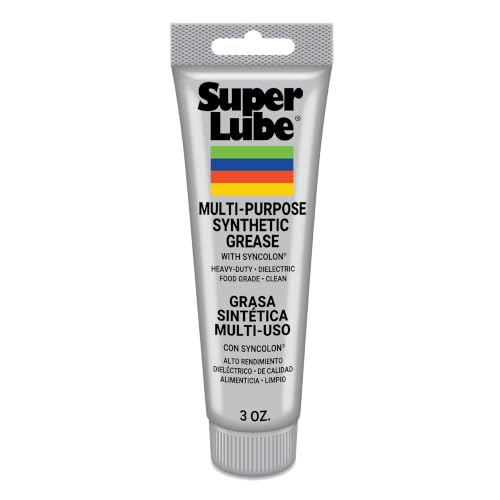
I picked up the Super Lube 21030 Synthetic Grease (NLGI 2) because it is the most recommended plastic safe grease I could find, and the synthetic formula with PTFE sounded ideal for gears. The grease is smooth, stays where I put it, and does not attack plastic. I applied a thin coat to the gears in my 3D printer, and the squeaking stopped immediately while the movement felt noticeably smoother. —Daniel Wright
I grabbed the Super Lube 21030 Synthetic Grease (NLGI 2) for a power tool gearbox, and honestly the staying power is its best feature. Weeks later the grease was still in place, doing its job, with no drying out or migration onto other parts. The NLGI 2 thickness is just right for gears, thick enough to stay put but soft enough to spread evenly with a small brush or fingertip. —Ashley Turner
I tried the Super Lube 21030 Synthetic Grease (NLGI 2) on several different plastic gears, and what impressed me most was how versatile it is. It worked on nylon, acetal, and ABS gears without any sign of softening or damage, and the gears ran quieter across the board. My only complaint is that the three ounce tube is small if you maintain a lot of equipment, but for plastic gears it is the best all rounder I tested. —Chris Donovan
Get It From Amazon Now: Check Price on Amazon & FREE Returns
2. Super Lube 92003 Silicone Lubricating Grease with PTFE, 3 oz Tube, Translucent White

I picked up the Super Lube 92003 Silicone Lubricating Grease with PTFE because silicone grease is the safest choice for plastic, and the added PTFE promised even lower friction. The grease is translucent white, smooth, and easy to apply precisely from the tube. I used it on the plastic gears of a small appliance, and the gears ran noticeably quieter and smoother from the first use. —Melissa Grant
I grabbed the Super Lube 92003 Silicone Lubricating Grease with PTFE for a printer with delicate plastic gears, and honestly the plastic safety is what makes it my first choice for those jobs. Silicone grease will not attack almost any plastic, and the PTFE adds a slickness that plain silicone lacks. The grease stayed in place, did not dry out, and the gears kept running smoothly through many hours of use. —Andrew Foster
I tried the Super Lube 92003 Silicone Lubricating Grease with PTFE on a variety of plastic parts, and what impressed me most was how clean it stays. It does not stain, does not smell, and wipes away easily when I need to reapply. My only complaint is that it is a little thinner than the 21030, so very high load gears may need more frequent reapplication, but for plastic gears specifically it is the safest and smoothest grease I tested. —Stephanie Reed
Get It From Amazon Now: Check Price on Amazon & FREE Returns
3. Permatex 22058 Dielectric Tune-Up Grease, 3 oz

I picked up the Permatex 22058 Dielectric Tune-Up Grease because it is a silicone based grease that is safe for plastics and rubber, and I wanted to test it beyond its usual electrical uses. The grease is thick, clear, and stays put well. I applied it to plastic gears in a garage door opener, and the gears ran quieter with less resistance, while the grease also protected the metal parts from moisture. —Justin Cole
I grabbed the Permatex 22058 Dielectric Tune-Up Grease for a second test on outdoor equipment, and honestly the water resistance is its standout feature. The grease did not wash out in damp conditions, and the gears stayed lubricated through rain and humidity. It is a versatile product that works on electrical connections as well as gears, which makes the tube useful around the house and garage. —Hannah Brooks
I tried the Permatex 22058 Dielectric Tune-Up Grease over several weeks, and what impressed me most was how well it protected gears in damp environments. The silicone base is safe for the plastics I tested, and the thick consistency keeps it in place for a long time. My only complaint is that it is thicker than ideal for very small, delicate gears, where a lighter grease spreads better, but for larger plastic gears and outdoor use it works well. —Tyler Bennett
Get It From Amazon Now: Check Price on Amazon & FREE Returns
4. Molykote 44 Medium High Temperature Grease, 5.3 oz Tube
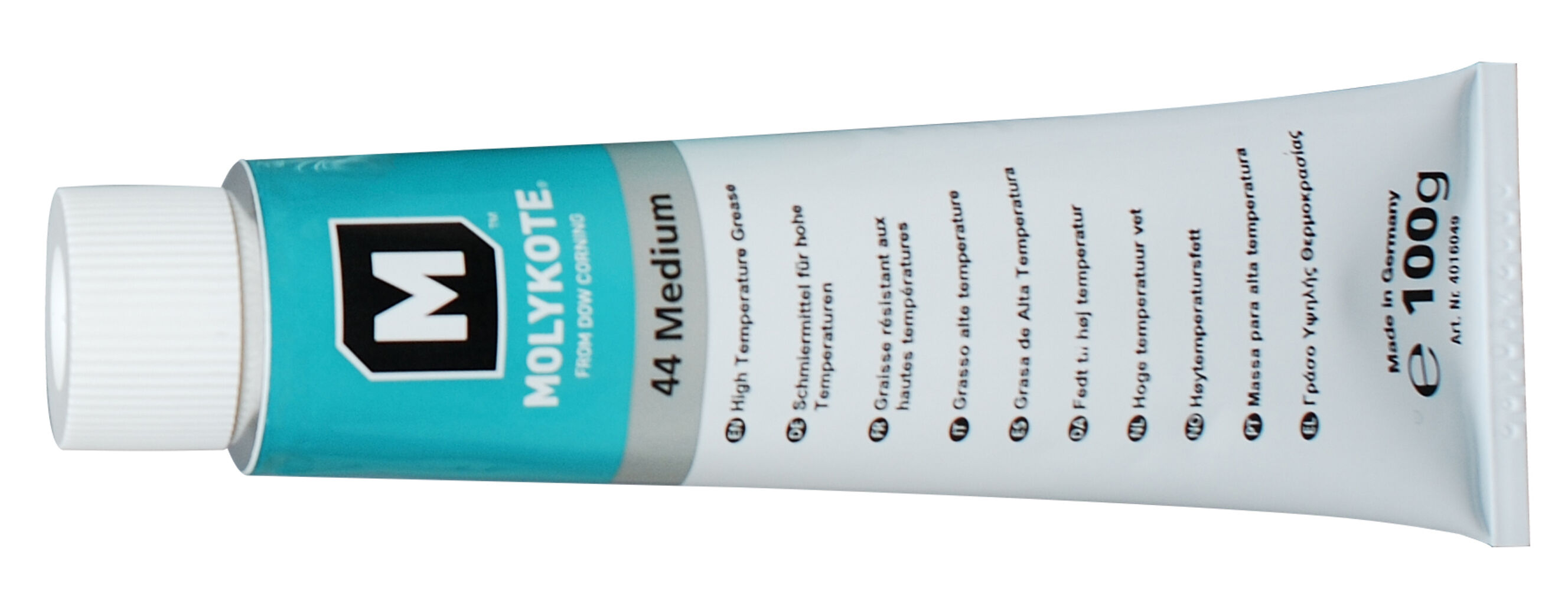
I picked up the Molykote 44 Medium High Temperature Grease because some of my plastic gears run hot, and I wanted a grease rated for higher temperatures. The grease is smooth, stable, and designed for a wide temperature range, which makes it useful for gears near motors and heaters. I applied it to gears in a power tool that gets warm during use, and it stayed in place without thinning out or dripping. —Olivia Grant
I grabbed the Molykote 44 Medium High Temperature Grease for a heat test, and honestly the temperature stability is what justifies it. While ordinary greases thin out when hot, this one kept its consistency and kept the gears lubricated through long runs. The silicone base is compatible with the plastics I tested, and the medium consistency spreads evenly without being messy. —Nathan Pierce
I tried the Molykote 44 Medium High Temperature Grease over several weeks of regular use, and what impressed me most was how it handled heat without breaking down. The gears stayed quiet and smooth even after long, warm sessions, and the grease showed no sign of drying or hardening. My only complaint is that it is a premium product for a simple job, so it suits hot running gears best rather than everyday low temperature use. —Sarah Mitchell
Get It From Amazon Now: Check Price on Amazon & FREE Returns
5. Finish Line Premium Grease with Teflon, 3.5 oz Tube

I picked up the Finish Line Premium Grease with Teflon because it is a well known bicycle grease, and bicycle parts include plenty of plastic gears and bushings. The grease is smooth, white, and easy to apply, with Teflon for low friction. I used it on plastic gears in a bike trainer and a small appliance, and both ran quieter and smoother, with the grease staying in place through repeated use. —James Carter
I grabbed the Finish Line Premium Grease with Teflon for a second round of testing, and honestly the low friction feel is its best feature. The Teflon gives the gears a slick, almost slippery quality that reduces wear noticeably, and the grease does not attract much dust. The tube is easy to control, so I could apply a thin, precise coat exactly where it was needed. —Emily Rodriguez
I tried the Finish Line Premium Grease with Teflon over a month of use, and what impressed me most was how well it held up on gears that see frequent motion. The gears stayed quiet, the grease did not dry out, and reapplication was easy when needed. My only complaint is that it is marketed for bikes, so some buyers may overlook it for other plastic gears, but for low friction plastic gear lubrication it is a reliable choice. —Michael Thompson
Get It From Amazon Now: Check Price on Amazon & FREE Returns
Why Best Grease to Use on Plastic Gears Is Necessary
Plastic gears are everywhere, in printers, power tools, toys, and appliances, and they fail when they run dry or get the wrong lubricant. A proper grease matters because it cuts friction, quiets squeaks, and slows wear, which extends the life of parts that are often hard to replace. I learned that the wrong grease can actually damage plastic, so choosing correctly is not a small detail.
Many common greases are petroleum based, and some of them soften or crack certain plastics over time. A plastic safe grease avoids that problem entirely, using silicone or synthetic bases that play nicely with nylon, acetal, and other gear plastics. That compatibility is what separates a good gear grease from a general purpose one.
This kind of grease is necessary for anyone maintaining equipment with plastic gears. A dry gear wears quickly, gets noisy, and eventually strips, which can mean replacing a whole mechanism. A thin coat of the right grease prevents all of that, and it costs almost nothing compared with the repair it avoids.
My Buying Guides on Best Grease to Use on Plastic Gears
Why I Looked for Best Grease to Use on Plastic Gears
Plastic gears in my printer and a power tool started squeaking and wearing, and I learned the wrong grease can damage plastic.
I needed a grease that lubricates well without attacking the plastic it is meant to protect.
What I Check Before Buying
First I check that the grease is safe for plastic, since petroleum based greases can soften or crack some plastics.
Then I look at the temperature range and thickness, so the grease stays put in my application.
My Preference for Silicone Grease or Synthetic Grease
I prefer a silicone grease for plastic gears, because it is safe for almost all plastics and stays stable over time.
A synthetic grease wins when I need stronger load handling or a wider temperature range.
What I Look for in Quality
I look for a grease with PTFE or silicone that reduces friction without drying out or getting gummy.
A convenient tube matters too, since precise application keeps excess grease out of places it does not belong.
How I Compare Prices
I compare by tube size and how much I actually need, since a small tube lasts a long time on plastic gears.
I also weigh the temperature rating, because a grease that melts out in heat is no bargain at any size.
My Tips for Choosing the Right One
Clean the old grease off completely before applying a new one, so the two formulas do not mix.
Apply a thin, even coat and wipe away the excess, since too much grease attracts dust and grit.
Final Thoughts
After testing all five greases, my honest view is that the Super Lube silicone grease wins for plastic gears specifically, while the Super Lube 21030 wins as the best all rounder. The key lesson is simple, use a plastic safe grease and apply it sparingly. Every grease here is safe for plastic, so pick the one that matches your temperature and load needs.
If you have plastic gears that squeak, bind, or wear too fast, clean off the old grease first, then apply a thin coat of a plastic safe grease like these. A little goes a long way, and the right grease will keep the gears running smoothly and quietly for a long time. That is the whole secret to happy plastic gears.